
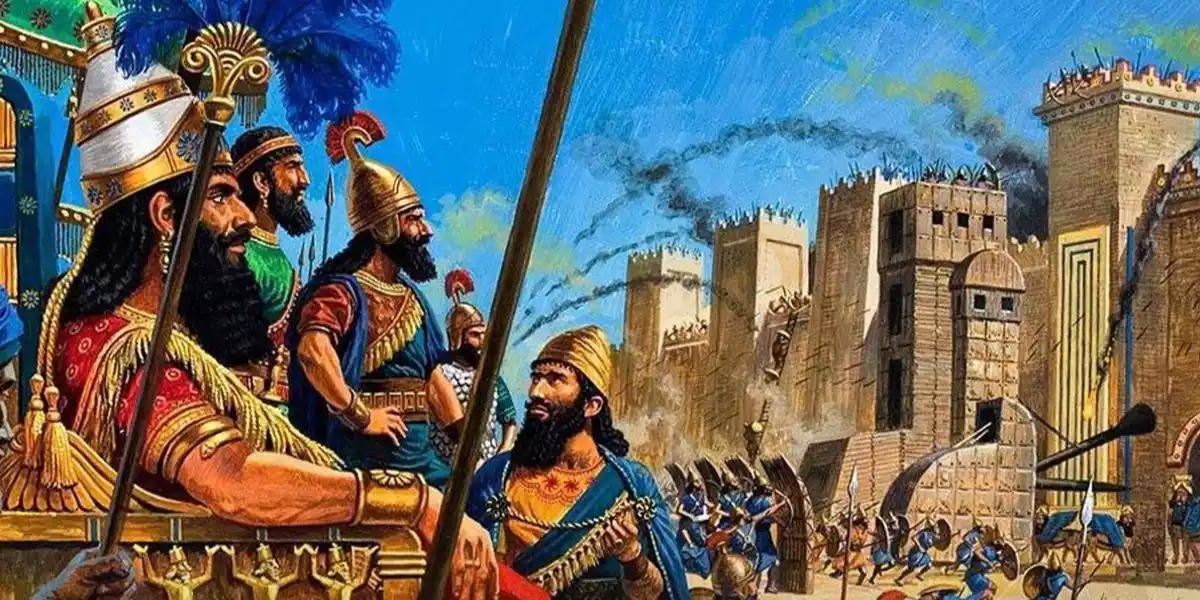
Ancient parts of the Middle East (western Asia), especially Iraq (historically known as Mesopotamia) were home to many advanced ancient civilizations such as the earliest known civilization: Sumer. This article introduces the region's geography and population history.
Geography
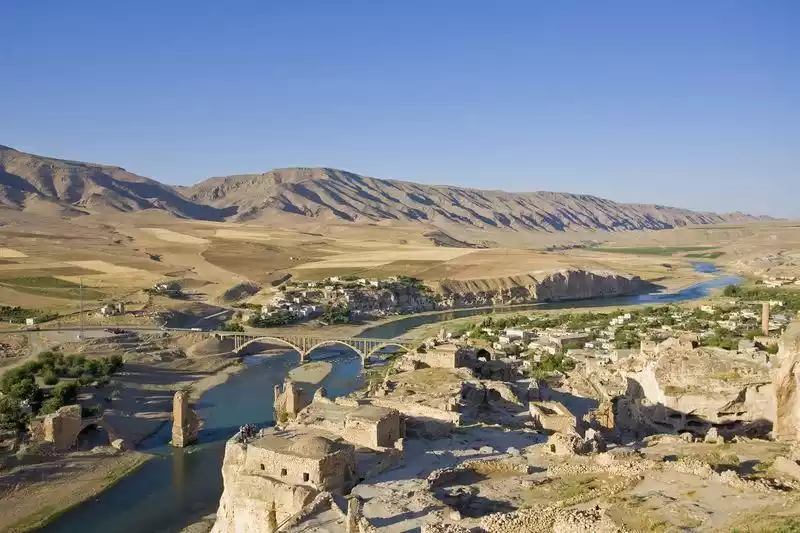
Mesopotamia: Historical region in western Asia mostly in modern-day Iraq. Home of advanced civilizations like the Sumer, Assyria, the Akkadian Empire, and Babylon.
Sumer: A marshy, sandy, silty, dry place with no rock in the southernmost part of Mesopotamia which is now southern Iraq, from around Baghdad to the Persian Gulf.
Elam: Ancient civilization centered in the far west and southwest of modern-day Iran as well as a small part of southern Iraq.
Akkadian Empire: Modern-day central Iraq, geographically like Sumer.
Assyria: An important ancient civilization which is now northern Iraq and southeastern Turkey.
Hittite Empire: The Hittites first occupied central Anatolia (Turkey), then expanded to some parts of the Levant and even upper Mesopotamia. Now it is modern-day Turkey.
Canaan: Canaan was different since it had valleys, hills, mountains, deserts and even bordered the Mediterranean sea. It is now modern-day Israel, the West Bank, Gaza, Jordan, and the southern portions of Syria and Lebanon.
Urartu: Ancient country in southwestern Asia which is now divided among Armenia, eastern Turkey, and northwestern Iran.
Timeline
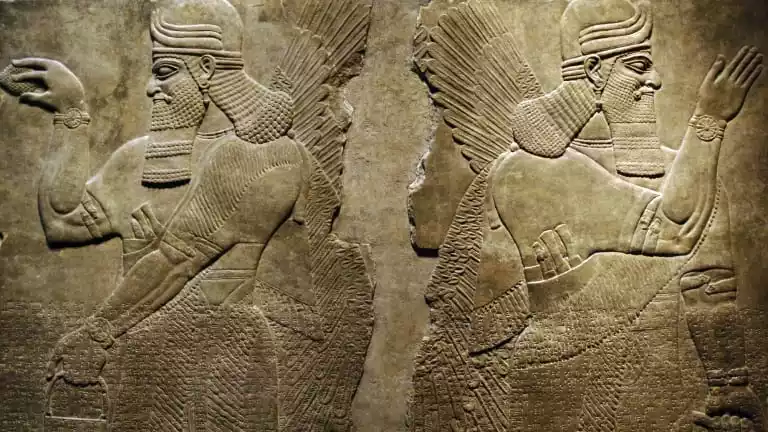
The dates may not be exactly accurate and some may have started earlier than what we know.
Sumer: 4500 to 1900 BCE
Elam: 3200 to 539 BCE
Akkadian Empire: 2334 to 2154 BCE
Assyria: 2025 to 609 BCE
Hittite Empire: 1650 to 1178 BCE
Canaan: 1600 to 1150 BCE
Urartu: 860 to 590 BCE
Culture
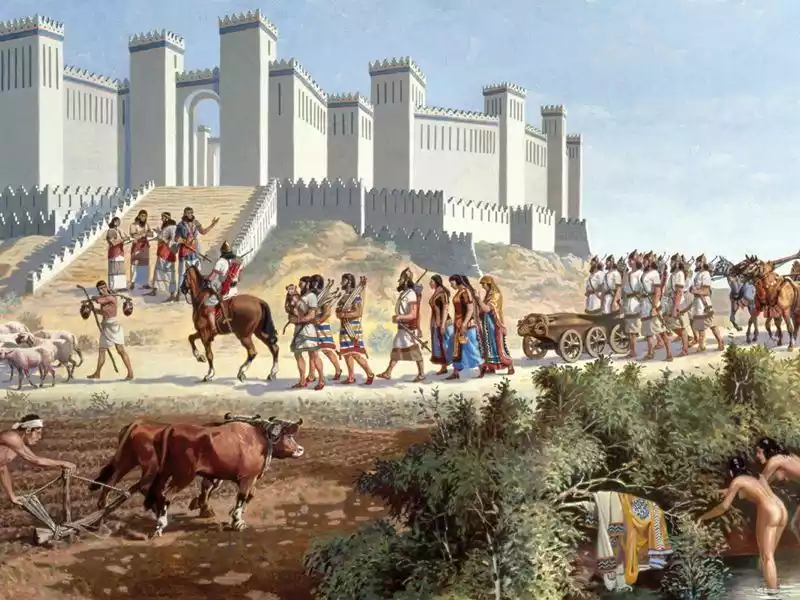
The major cultures that emerged from Mesopotamia were Assyrian and Babylonian. The Persian Empire arose separately in Iran before conquering Mesopotamia.
In Mesopotamia, government officials, nobles and priests were at the top. Merchants, artisans, craftsmen and farmers were on the second class. Prisoners of war and slaves were at the bottom. Commoners were considered free citizens and were protected by the law.
Concepts and ideas invented in Mesopotamia were many, such as: math, plows, libraries, medicine, writing, the zodiac, road networks, spoked wheels, astronomy, looms, the legal system and a lot more.
Religion
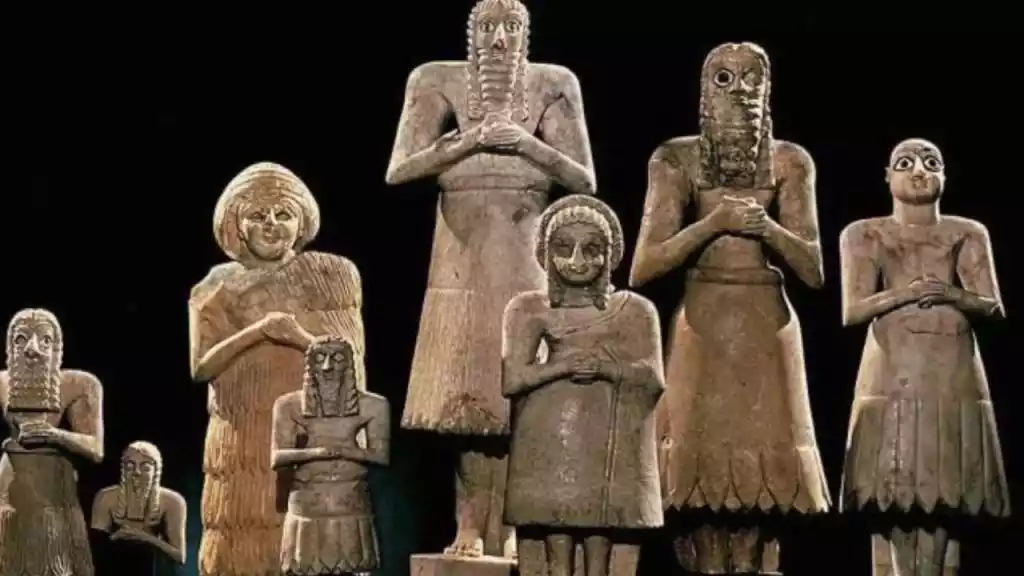
Sumerians were anthropomorphic polytheists. Assyrians, before Christianity, were polytheists, as well as Akkadians, Urartians, Elamites, Iranians and Canaanites (in some cases, Canaanites were monolatrists). However, Turkic peoples were mostly Tengrists.
Gods were worshiped in large temples, and looked after by priests. Mesopotamians visited temples with offerings, such as animals to sacrifice. They left behind statues in a position of worship, which would pray continually to the gods on their behalf.
Ethnicity

Genetically, the closest people to Sumerians now are: Assyrians, Marsh Arabs, Akkadians and possibly other Iraqi Arabs. The Sumerian language is not a Semitic language; it is a language isolate.
Sumerians: Indigenous non-Arab people, their origins are unknown.
Elamites: Indigenous peoples to Iran, they were a south-west Asian mix (AKA. Susiana).
Akkadians: Indigenous non-Arab people (AKA. Babylonians).
Assyrians: Indigenous non-Arab peoples, ancestors of Syriacs, Chaldeans, and Arameans.
Hittites: Indigenous Indo-European non-Turkic people who lived in Ancient Anatolia.
Canaanites: Ancestors of Israelites (Jews) and Phoenicians.
Urartians: Indigenous to the Armenian highlands, they spoke a non-Indo-European language related to Hurrian.
Mesopotamians: Diverse grouping of people who lived in ancient Mesopotamia.
Iranians: Diverse grouping of Indo-European peoples (e.g., Persians, Kurds, and Pashtuns).
Turkic peoples: Diverse grouping of Asian peoples (e.g., Kazakhs, Tatars, and Uyghurs).